
![[Letter] Struggling with OCD, PCOS, and Intuitive Eating with Abbie Attwood (419)](https://eadn-wc03-5353452.nxedge.io/wp-content/uploads/2025/08/412Web-1.png.webp)
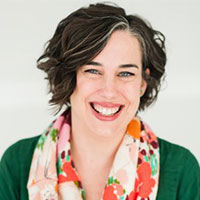
Julie Dillon
[Letter] Struggling with OCD, PCOS, and Intuitive Eating with Abbie Attwood (419)
Julie Dillon
In this episode of the Find Your Food Voice podcast, host Julie Duffy Dillon and guest Abbie Attwood delve into the complexities of food relationships, particularly in the context of OCD and PCOS. They discuss the impact of diet culture, the trauma associated with restrictive eating, and the importance of self-compassion in the healing process. The conversation emphasizes the need for balance in eating habits and offers practical steps for recovery, highlighting that healing is a journey that takes time and patience.
In this episode of the Find Your Food Voice podcast, host Julie Duffy Dillon and guest Abbie Attwood delve into the complexities of food relationships, particularly in the context of OCD and PCOS. They discuss the impact of diet culture, the trauma associated with restrictive eating, and the importance of self-compassion in the healing process. The conversation emphasizes the need for balance in eating habits and offers practical steps for recovery, highlighting that healing is a journey that takes time and patience.
Show Notes
Guest Bio:
Abbie Attwood (she/her) is a weight-inclusive, anti-diet nutritionist and body image coach with a master’s degree in clinical nutrition. She is the founder of Abbie Attwood Wellness, where she offers virtual nutrition therapy and group support rooted in body liberation, fat positivity, and the belief that healing our relationships with food and body is inseparable from collective liberation.
Abbie’s work is grounded in a social justice framework that challenges diet culture, anti-fat bias, and the systems that pathologize and police bodies—particularly those pushed to the margins. She supports clients across the globe in dismantling internalized shame, healing from disordered eating and chronic dieting, and building more peaceful, respectful relationships with food, movement, and their bodies.
Her approach is shaped by her own lived experience: an eating disorder that emerged at the intersection of competitive athletics, OCD, and chronic illness. This personal history deepens her commitment to serving those who haven’t always seen themselves reflected in dominant narratives about eating disorders.
Abbie is also the host of The Full Plate Podcast and writes the accompanying newsletter on Substack, where she blends personal storytelling, professional insight, and political clarity.
She lives between coastal Maine and the Bay Area with her partner and their two incredibly odd rescue pups. At the top of her list: breakfast, the ocean, ice cream, and a good book.
Mentioned in this episode:
- Buy the FYFV Book!
- Keep Learning on Substack!
- Ovasitol discount code (or use PRC code 127403)
- Abbie Attwood: The Full Plate Podcast and Substack
- Landwhale by Jes Baker
- Deb Burgard website
If you’re curious about what it looks like to stop pursuing weight loss, click here for some fabulous freebies that will help guide you in your journey!
Click here to leave me a review on iTunes and subscribe. This type of kindness helps the show continue!
Find FREE food voice resources here.
Thank you for supporting Find Your Food Voice!
Podcast Transcript
Julie Duffy Dillon (00:00)
Welcome to the season 11 premiere and episode 419 of the Find Your Food Voice podcast. Today we are talking about OCD, PCOS and intuitive eating, struggling with your relationship with food and have special guest, Abbie Attwood Let’s get to it.
Hey there, voice finder. Welcome to this special episode. I am so glad you’re here. Today is a letter episode. Well, what does that mean? I have letters from listeners just like you that I’ve accumulated over the years and some have really done a number on my heart and made a very special impact. And what I’ve decided to do for season 11 is to have a letter featured on every single guest episode. Today’s episode, we have special guest, Abbie Attwood, and we are going to be featuring a letter from the archives from someone who was struggling with their relationship with food while also trying to figure out life with late diagnosis OCD, PCOS, and trying to do it with intuitive eating. It’s a lot, it’s hard, but I know there’s so many people listening and maybe even you who can relate to this.
Before we get to this episode and hear this letter, I wanna check in with you about something. Did you watch the Fit for TV documentary? It’s the Biggest Loser documentary on Netflix. It just came out on Friday this past week and I had to binge watch it. Of course, I watched Biggest Loser when it first came out and I was honestly horrified by the show. And I appreciate that my reaction was not
the typical, but I had been working with people with a complicated relationship with food for years already at that point. And so it really was showing how in the United States, like how we were really missing the point. And it was also really offensive to me how much people in higher weight bodies were just kind of used as a ploy to get ridicule and lots of jokes. And yeah, it made me feel
just really uncomfortable and heartbroken. So I have some thoughts about the documentary. I was excited to see it because I was hoping it would shed a lot of light on things that those of us who kind of work in these circles have talked a lot about over the last few decades, but I’m not gonna be giving you any spoilers. Watch it, let me know. I have posted a few things on it on my sub stack. So if you wanna be a part of the conversation, join me over there.
It’s the, on Substack, my name is the same as it is for this podcast. So it’s just findyourfoodvoice.substack.com and you can get right to it and you can be a part of the conversation. I wanna know what you have to say about it.
Subscribe to that sub sec if you wanna continue to be a part of the conversation and have access to weekly essays and new episodes of this podcast. And if you are looking specifically for PCOS content, know that I’ll be releasing a PCOS focused newsletter in September, just in time for PCOS Awareness Month. And I’m really looking forward to all that and I’ll fill you in all the details soon.
I wanna take a moment to share with you some information on this episode’s guest. So this episode’s guest’s name is Abbie Attwood, and I actually got to know her from Substack. One of the great things about losing my access to Instagram and Facebook is I have ventured into other platforms like TikTok and Substack, and that’s where, again, where I met Abbie. And Abbie is someone who is also an anti-diet dietitian, and I wanna share with you a little bit about her work.
Abbie is a weight inclusive dietitian and body image coach with a master’s degree in clinical nutrition. She’s the founder of Abbie Attwood Wellness, where she offers virtual nutrition therapy and group support rooted in body liberation, fat positivity, and the belief that healing our relationship with food and body is inseparable from collective liberation. Her approach is shaped by her own lived experience in eating disorder that emerged at the intersection of competitive athletics, OCD, and chronic illness. And
sidebar, this is why I picked this episode’s letter for Abbie because it talks a lot about the things that she herself has experienced and also helps her clients with. So she let me know that this personal experience deepens her commitment to serving those who haven’t always seen themselves reflected in dominant narratives about eating
Abbie’s also the host of the full plate podcast and newsletter on Substack where she blends personal storytelling, professional insight and political clarity.
All right, we’re gonna pause for a brief sponsor break and then we’re gonna hear this episode’s letter.
This episode is brought to you by my book, Find Your Food Voice. While I was watching the Fit for TV documentary, I wanted to send every single person that was on The Biggest Loser a copy of this book because I just want them to have tools, different strategies to help them with their relationship with food that they haven’t been given yet. Because the big thing that I was getting from watching this documentary is so many people were still stuck on that they need to fix their body, they need to eat less and exercise more.
There are so many things that you can add to your life to promote health that don’t include trying to get smaller and eating less. So if you have a complicated relationship with food, if you’ve tried every diet under the sun, this book is for you. Or if you’ve tried intuitive eating and it just didn’t land right for you or didn’t work for you, I wrote Find Your Food Voice for you.
notes to get your own copy or you can buy it wherever books are sold.
This episode is also brought to you by Ovasitol the inositol supplement that I recommend most to people with also take it myself for my insulin resistance. If you’re looking for a new non-diet tool to add to your PCOS treatment strategy to balance blood sugar, decrease cravings, and increase energy, check it out in the link below in the show notes. Using that link in particular will save you 15 % off. this order and all future orders. All right, let’s get to this episode’s letter
Julie Duffy Dillon (06:14)
Dear food, since I was a little girl, everyone in my life told me not to eat too much of you. Not at the wrong time, not the unhealthy versions of you, which according to my mom was almost everything. And definitely don’t ask her seconds. I was told that my family didn’t like fat people. I was asked if that version of you fit into my diet. I was asked if I was trying to gain weight. I don’t have any memory at all of having peace with you.
When I was 35, I was diagnosed with PCOS. The doctor told me to cut out a lot of versions of you and put me on a medication that made me sick. I found a great diet and lost a lot of weight, but I was starving. I felt hungry all the time. I was craving you, but denying you. Then the dam broke and all I did was eat you, but in secret. Then you became another problem, an eating disorder. At 48, I was diagnosed with OCD.
I suffered so long before I knew. Then I started to heal. I gave up the diets and gained some weight. It hurt. I was scared, but I wasn’t hungry. Food, now I eat way too much of you and I eat foods that don’t make my body feel good. When I think of something healthy, the alarm bell goes off. It says, hungry, restriction, and don’t tell me what to do. I would like a middle ground with you food to feel some peace and to help my body feel great. Can we compromise and how? Thanks. Struggling for too long. Alright, that’s this episode’s letter. Let’s get to my interview with Abbie Attwood.
Julie Duffy Dillon (08:04)
Welcome to the show, Abbie.
Abbie Attwood (08:06)
Hi Julie.
Julie Duffy Dillon (08:07)
I’m so glad you’re here and did you get a chance to read this episode’s letter?
Abbie Attwood (08:11)
I did, I definitely did. I read it so many times, I highlighted things.
Julie Duffy Dillon (08:17)
my gosh, I love that. You studied.
Abbie Attwood (08:21)
i did, my god.
Julie Duffy Dillon (08:23)
Well, what did you like about it or what drew you to it and made you like want to study it?
Abbie Attwood (08:30)
Well, I think that part of the reason I read it a few times and then highlighted things was because I just thought there was so much in it, like so many individual things, like pieces of this person’s story that I could kind of feel how it all layered on top of each thing, all the different experiences. sometimes I think it’s so hard for me because I
Julie Duffy Dillon (08:43)
Mm-hmm.
Abbie Attwood (08:58)
I do a podcast like you do. And if I don’t kind of acknowledge like all the different components that are going on in a question or in a topic that I’m talking about, it’s easy for me to get kind of carried away on one part. And I wanted to make sure I identified like, okay, God, there’s all the stuff that’s going on early on in life with the messaging around food. Then there’s the PCOS and the extreme dieting and
Julie Duffy Dillon (09:13)
Mmm.
Abbie Attwood (09:26)
then the eating disorder and OCD and now there’s this phase of frustration and grief and there’s so many layers to this, you know?
Julie Duffy Dillon (09:34)
Yeah, yeah, I agree. There’s something about working with clients. And I often would see my clients get stuck in one part of their story too. And that’s something that I often would refer to my spot in the room as the easy chair. Like there’s something about the easy chair of like seeing the whole big picture and like, but also like trying to hold all of it to show someone like, this is why it’s hard. It’s really complicated.
Abbie Attwood (09:43)
Yeah. Yeah.
Julie Duffy Dillon (10:03)
and messy and when you were reading through it, was there like kind of like a bird’s eye view of what you think is going on with this person? Like what do you think they’re struggling with?
Abbie Attwood (10:16)
Well, the first thing that I felt when I was reading it was just this belief that I think so many of us have had in some form of another that there’s something wrong with us. And that has been part of the story for so long, like feeling like having this really broken relationship with food and body when you’re young and feeling like
Julie Duffy Dillon (10:29)
Mm-hmm.
Abbie Attwood (10:45)
people are constantly sending you the message that food is conditional, like that it’s only deserved at a certain time in a certain amount with certain foods and that anything outside of that is wrong. And then there’s, know, something that I know personally through my own lived experience is I have multiple chronic conditions and I also have OCD and I was diagnosed late in life with OCD and that’s actually really common that I’d want this person to know too that like that is so hard to have been going through something for so long thinking it was one thing and then learning later that there was this whole other piece happening, you know?
Julie Duffy Dillon (11:33)
Wow. Yeah, I would imagine that probably fills in so many blanks. Yeah.
Abbie Attwood (11:38)
It does. It like, I feel like it gives you so much clarity and then it also confuses everything you remember. You know? Yeah, because you’re thinking, my gosh, you’re kind of replaying things and putting the pieces together and it’s confusing and it’s complicated and there’s grief and then you’re healing through something else now. You know, like it’s a kind of
Julie Duffy Dillon (11:50)
⁓ that’s so hard. Yeah.
Abbie Attwood (12:08)
I don’t know, it’s hard. And so I guess the first thing that I felt was just wanting to tell this person, like, this is hard and like acknowledge that it’s hard, you know, and that it’s not gonna be a, you know, quick overnight process, right?
Julie Duffy Dillon (12:16)
Mm-hmm. Mm-hmm. Right. Well, especially with that foundational lie that this person was told, that there was something wrong with them, that their body was wrong, that they don’t know how to manage their eating, and that whole foundation being just, again, just such a really problematic thing to teach a child, you know? And then layer it on with all these other things that you’re talking about.
Abbie Attwood (12:32)
Right.
Julie Duffy Dillon (12:52)
Yeah, the something that I was getting from this letter was that this person kind of was like, I wish I just knew how to do it. You know, like it was all like, I’m doing it wrong, like still believing those things that they were told. And I’m like, I wish I had a magic wand. So you knew that you’re not broken, you know.
Abbie Attwood (12:59)
Mm-hmm, totally. I know. I know, because like you just said, Julie, that they were taught that their worth lived in restraint and quote unquote discipline and that their hunger was something to deny or manage, that fullness was failure, that food had this right and wrong version. And you had to choose quote unquote right if you wanted love and approval and belonging.
Julie Duffy Dillon (13:18)
Mmm, yes.
Abbie Attwood (13:38)
all along you’re thinking like food is the enemy, food is the thing I need to control, but like really that control was the problem. Like, you know, and then the shame kind of keeps you on that leash chasing the control, right?
Julie Duffy Dillon (13:56)
Yeah. And then also just the trauma of being told that you have to control food in this way. We’re not told we have to hold our breath. Things like we’re supposed to be doing just to maintain our humanness. ⁓ Such a horrible trauma. And there may be someone listening who’s like, ⁓ come on. Dieting’s not trauma. But no.
Abbie Attwood (14:03)
Yeah. ⁓I mean, denying the body its most fundamental need, like, it’s trauma. The body remembers that. And I also think like, so they said at 48, they were diagnosed with OCD. And then that’s at the point in the letter when they say, then I started to heal and I gave up the diet. So if you think about that 48 years, and I don’t know how old they are now, you know,
Julie Duffy Dillon (14:29)
Right. Yeah. Mm-hmm.
Abbie Attwood (14:50)
but I think really, really, really like sitting with that and remembering like how long you lived in that one way within that one belief system and with restraint, you know, and denying and starving yourself. Like they said, you know, starving and was hungry all the time. And that trauma, like you named Julie is that that went on for so, so long that like, of course.
Julie Duffy Dillon (15:03)
Hmm.
Abbie Attwood (15:19)
Your body is asking for nourishment now. Of course it is. And that also needing to honor how uncomfortable that is when your whole life you were told that that’s wrong and bad.
Julie Duffy Dillon (15:22)
Yeah, yeah. Yeah, like when this part of the note, I think this is what you’re referencing is when this person says, I eat foods that don’t make my body feel good. When I think of eating something healthy, the alarm bell goes off. It says, I’m hungry restriction and don’t tell me what to do. And that piece that kind of like pendulum swing so like violently, that’s when I would hear clients talk about this early on.
Abbie Attwood (15:37)
Yeah. Yeah.
Julie Duffy Dillon (15:58)
That’s what made me start to think of like, this is like a trauma response. They’re activating. ⁓ Some people that I ended up working with for a long time are people who often had PCOS but also were chronically ⁓ living with anorexia, oftentimes not diagnosed because their body wasn’t small enough. ⁓ I’m rolling my eyes if you’re not watching. And of course.
Abbie Attwood (16:01)
Mm-hmm. Of course. Yeah. Me too. I was saying, of course.
Julie Duffy Dillon (16:26)
That was something people said all the time and they got so frustrated with themselves. After you hear things as a dietitian like three or four times, like, there’s some pattern here. I ended up talking about it in my book too. It may sound so silly, if you go grab, I think in my book, I talk about Paul who is going to get a smoothie. He saw a friend having a green smoothie and it tasted good and he was like, I’m get one of those.
Abbie Attwood (16:34)
Right, right. Yeah.
Julie Duffy Dillon (16:53)
And it triggered all this then, going down this rabbit hole on the internet on some clean eating crap. it just cued it all. And for some people, it’ll trigger the craving to diet again. And for other people, I think majority of time what I would see is for most people, it would trigger that craving to, shit, we’re about ready to starve. I need to binge or I need to hoard food or something in the… ⁓
Abbie Attwood (16:55)
Yeah, yeah. right.
Julie Duffy Dillon (17:23)
realm of like, need to protect myself. And it comes from like the primal side of our brain, right? That’s just trying to protect you. And so I’m like, my gosh, letter writer, you’re not broken. Like this is, you are successfully humaning. Like this is something that like you’re-
Abbie Attwood (17:34)
No. Yes. Yeah, your body’s doing, yeah, what it’s supposed to do.
Julie Duffy Dillon (17:42)
Yeah, yeah. And then I can’t imagine, I have a lot of expertise in some of these areas that we’re talking about, PCOS, but not in OCD. ⁓ So I can’t imagine having that trauma activation and those thoughts with OCD. Could you shine some light with what that looks like or what that experience is like?
Abbie Attwood (17:49)
Yeah. Yeah. Yeah, I was just going to go there. you read my mind. I’m thinking like, what I think what OCD can do in a situation like this is like, think we all, if I back up a second, think diet culture really trains all of us to have this all or nothing, good, bad, black or white view with food in our body, right? And you can hear that in the letter itself. And you and I have both heard that a million times, you know? And that
Julie Duffy Dillon (18:17)
Yeah.
Abbie Attwood (18:33)
What I guess is important for folks to know if I don’t have experience with OCD is that is like times a million with OCD, right? A nickname for OCD is often like the doubt disorder. So you are really trying to be 100 % certain that you’re doing the right thing all the time. And that’s where like the intrusive thoughts come in or the checking or the all that stuff is like, I need to be 100 % certain that I’m doing the right thing. And
Julie Duffy Dillon (18:40)
Okay, wow.
Abbie Attwood (19:03)
So if you can imagine the way that we all feel, like trying to unlearn that food morality, trying to gain some neutrality with it, the food morality, yeah. It’s so heightened. And you’re getting all these intrusive thoughts. lot of like for me, I would get them on loop, right? Like I could not get rid of them, could not get rid of them. And they were so debilitating. And actually my eating disorder started in part as like a response to
Julie Duffy Dillon (19:14)
Mm-hmm.
Abbie Attwood (19:33)
trying to manage chronic illness. And also, now that I look back and know more about having had OCD at that time, it was me trying to manage a lot of the intrusive thoughts because they were so overwhelming and so painful and so constant that controlling food and creating rituals and rigid behaviors around food and exercise was a really effective way to funnel all that energy and distract myself from them and at least feel like I was checking the boxes, if that makes sense.
Julie Duffy Dillon (19:44)
wow. yeah
Abbie Attwood (20:02)
So I can imagine that what this person’s going through is so much harder than anyone can even imagine because they’re also fighting with those thoughts. And I can see why there’s this kind of rebel in them coming out all the time when there’s that threat of restriction, because I think we also are trying to do recovery right. if that makes sense. And I think OCD can play a huge role in that too. I don’t want to go back to anything that feels like something you might have done when you were dieting, such as eat a salad or go for a bike ride or whatever it might have been for you, can activate all of that times a million when you have obsessions and compulsions. And you’re so terrified to go back.
Julie Duffy Dillon (20:32)
Yes, yes Hmm. You know, hearing you describe your, like, having OCD along with recovering from, like, diet trauma and eating disorders, ⁓ it just reminds me of the popular phrase, like, food noise. And I wonder how many people have found that label or that phrase and felt comfort. But really, I mean, I’m not necessarily, like, totally against that term because I can appreciate, like, it’s great to have a name for something.
Julie Duffy Dillon (21:29)
But I wonder if people really are experiencing OCD like you’re describing with this experience with food as well combined. ⁓ And so they’re not really getting the help that they need. They may have the temporary buffer with a GLP-1 or something, but really in the end, ⁓ is this something that’s gonna help long-term? ⁓
Abbie Attwood (21:50)
Such a good point, Julie. That is the danger of us. You’ve talked about this forever, too. The danger of us just prescribing weight loss or thinking that that’s the fix and not actually asking the deeper questions to help somebody figure out what’s truly going on. Absolutely. I think, yeah, I don’t have a problem with the phrase food noise. I have a problem with the way that it’s been like,
Abbie Attwood (22:16)
defined and framed in this day and age as some problem we need to fix when usually it’s just an experience we’re having from mental, physical, emotional restraint with food. so of course, again, kind of coming back to this letter writer, like that’s the experience. And it can make that noise feel so much louder with OCD, right? So like,
Abbie Attwood (22:44)
whatever noise somebody without OCD is hearing, somebody with OCD is hearing that at like, at times 100 volume on repeat, you know?
Julie Duffy Dillon (22:54)
Wow, that just sounds so debilitating. Like I don’t know how someone could actually like, take care of people in your life or go to do a job. I mean, that’s this like, that’s so much. I know people are doing it all the time. Like they’re living their life and finding a way, but especially by continuing to restrict, know, and forcing that kind of ⁓ noise to kind of still be there. And ⁓ for someone like this letter writer,
Abbie Attwood (23:08)
Yeah.
Julie Duffy Dillon (23:23)
⁓ maybe someone listening who can relate to it. Are there some first steps that you’d recommend to kind of like help just move gently and towards healing, however that looks like? Is there some first like step pointers that come to mind for you?
Abbie Attwood (23:40)
Yeah, I think for me, I think a self-compassion practice helped me a lot with all of this. And I think that that can’t happen until we recognize how much we’re suffering. And I think by writing this letter to you, this letter writer has acknowledged that, like I’m suffering, like signed what’s struggling for too long, I think. And so I think that’s actually like,
Abbie Attwood (24:09)
acknowledging that this was actually a really beautiful step. Like I love that this format that you have, Julie, I think it’s so beautiful. I love that you came up with it because I do, think writing these letters is an act of self-compassion. Somebody is saying, you know what? I am finally taking a moment to recognize my own pain and validate it and ask like, what can I do? And so I think that’s a beautiful first step. And I think the thing that sticks out for me is the phrase like, I’m eating too much of you.
Julie Duffy Dillon (24:12)
Yeah. ⁓ thank you.
Abbie Attwood (24:36)
you know, and so I think one thing that I would do is try to reframe that really gently, like lovingly that it’s, I think that A, it’s really difficult for us to ever really define what too much would be, right? Yeah. ⁓
Julie Duffy Dillon (24:52)
Yes, yes. There’s no like, there’s no amount that you’re crossing over that this is like black and white thing exactly. How frustrating though with OCD. Yes. Yeah. Yeah.
Abbie Attwood (24:57)
No. No, there’s no perfect amount. I know. I know. It would be great. It would be great. It would be so easy if we all knew exactly how much we needed to eat. That would be great. ⁓ But that’s not what it feels like to live in a body, you know, but I think maybe I would reframe this to say like, your body’s asking for trust. It’s asking to rebuild that. And after years of restriction, eating quote unquote too much can actually be
Julie Duffy Dillon (25:08)
Mm. Yeah.
Abbie Attwood (25:27)
your nervous system saying, like, we’re safe now, right? Like, we can have what we need now, right? You know, and trying to just, I think it’s a hard thing to embody. And I know that it can sound frustrating, but I just have seen it so many times and I’ve experienced it as like, as soon as you start to give yourself that permission, truly, like that it is okay, and you stop shaming yourself.
Julie Duffy Dillon (25:32)
Yes. Yes. Yeah.
Abbie Attwood (25:56)
for eating what you’re eating, then it starts to lessen the impact of that mental restriction. You’re still kind of holding over yourself, you know? Because as long as you’re eating what you quote unquote want, but you’re still thinking, that was too much. This is unhealthy. I’m being bad. All these things. It’s not helping that cycle, you know? So that’s the thing that I would…
Julie Duffy Dillon (26:07)
Hmm.
Yeah, yeah, yeah, yeah.
Abbie Attwood (26:26)
I would start there is like seeing this as your body doing what it’s supposed to do and allow for that to like, to kind of play out for a little bit because I hear you when you’re saying I want a middle ground. Like I hear that loud and clear. Like we all want to just feel, we all want it to feel easy, peaceful. We don’t want it to feel like a battleground. We don’t want the guilt and the shame.
Julie Duffy Dillon (26:34)
Yeah for sure.
Abbie Attwood (26:54)
We don’t want healing that just feels like we’re, quote unquote, out of control. We want to feel like I’m eating from a place of kindness. And I hear what they’re saying in that I don’t feel like this is making me feel good. I just think it’s really hard to get to a place where you can really neutrally choose what feels good until you’ve stopped shaming yourself for.
Julie Duffy Dillon (27:07)
Mm-hmm.
Abbie Attwood (27:21)
all the other choices. I don’t know. What do you think, Julie? Like, what do you think about? Yeah.
Julie Duffy Dillon (27:24)
No, I agree with all of that because ⁓ the only way I’ve seen people recover is through the way that this person is describing. Like, I don’t see people identifying what has been part of the struggle and then their eating is in the middle ground. It’s like, it takes longer than you want to be in the place where the pendulum is swinging in the direction that the world tells us we shouldn’t.
Abbie Attwood (27:32)
Yeah. Right, same.
Julie Duffy Dillon (27:53)
And you know who describes this, this stuck point so well, I don’t know if it’s on anyone’s radar anymore, but Jess Baker and her book, Land Whale, chapter four, in particular, I remember it was chapter four. ⁓ She talks a lot about ⁓ being in donut land. She calls it donut land when her pendulum swing where she can’t stop eating and
Abbie Attwood (28:03)
Okay. Yeah. Yeah.
Julie Duffy Dillon (28:20)
She actually has some quotes in there when she interviewed Deb Brigard, who’s really well known, Bay Area psychologist. And Deb talks all about, about like, there’s gonna be a pendulum swing between diet land and donut land. And it just, takes longer than you think really to get to a place where the pendulum eventually is more in the middle, but it doesn’t go right in the middle. it’s like, it’s always going to kind of be going back and forth because
Abbie Attwood (28:26)
Right.
Julie Duffy Dillon (28:49)
of many different reasons, and especially because we live in this world that’s constantly pulling us towards diet land, you know? ⁓ But the healing happens, but yeah, it takes so much patience. And I think that’s where I think about, like, I’m so glad you shared your lived experience because knowing other people who are a few steps ahead, I think has so much power for healing. So.
Abbie Attwood (28:56)
Yeah. Yeah.
Julie Duffy Dillon (29:14)
getting to know as many people with lived experience who are also probably invested in weight-inclusive nutrition probably isn’t like one little side thing that I would encourage you to have with it. But yeah, just so you can see, okay, this is what’s ahead. It’s worth it to keep going, keep going. yeah. ⁓
Abbie Attwood (29:23)
Yes. think one thing you just said that really stood out to me was like, and I fully agree and it’s what I see too, is like, it takes longer than you think. It’s gonna take as long as it takes. And part of that is learning to sit with the discomfort of that. Like, because whenever kind of this, like we start to feel this friction, it’s like we’re coming up against this idea that we’re doing something wrong, that we’ve gone too far, that we’re eating too much, that we’re You know what I mean? And that’s what this experience is like. I just want the middle ground already. I just want that pendulum to be in the middle already. But if you force that pendulum in the middle, you’re engaging back in diet land. And it is. And so you have to let that pendulum fall there on its own. And so what that reminds me of in practices that help all.
Julie Duffy Dillon (30:02)
Yes.
Mm-hmm. It gets really slippery. Yes.
Abbie Attwood (30:27)
often for folks with OCD is actually distress tolerance, right? Like having an urge, having a compulsion, dealing with the intrusive thoughts and learning slowly how to tolerate that. And it’s very similar to tolerating that pendulum for a while. So I think ultimately remembering that peace is never gonna mean perfection, ever.
Julie Duffy Dillon (30:32)
Yes, 100%. Yeah. And that may be always irritating, I would imagine. Yeah, yeah. And something I want to add to this conversation, and I know we need to wrap up, but something I want to add to this is, and I cannot remember this dietitian’s name, but I’m going to find it after we hang up and put it in the show notes. There was someone who was talking about an alternative to the pendulum. And this dietitian said, instead of a pendulum, what if it’s like a slingshot?
Julie Duffy Dillon (31:23)
And I was like, ooh, this is good. And they were just building on the metaphor. And I’m like, that may even be helpful too for you, a writer or anyone who can relate. There’s parts of your conversation in your head, there’s parts of our society, and also your body having this diet trauma that are pulling that slingshot back and repairing things to prevent that pull back is another way to look at it. ⁓
Julie Duffy Dillon (31:53)
Anyway, my gosh, we could keep talking forever. I wish we could, but alas, we need to wrap it up. ⁓ something I wanted to the listener is like, I got to know you because of joining Substack. And I feel like I’ve missed out on like connecting with colleagues of mine because I’m not on Instagram anymore. ⁓ And so I’m so glad Substack introduced me to you. And just in case, I’m sure they’ve already heard about your podcast and your work, but just in case someone’s new to your work.
Julie Duffy Dillon (32:22)
Tell us about the work you’re doing and where people can learn more about you.
Abbie Attwood (32:27)
Yeah. Well, first it’s, know I could keep, keep talking to you forever. So thank you for having me. And I loved this letter and I love the format. I, um, yeah, I’m on Substack now. So I used to have just a newsletter, but now it’s all kind of on Substack. And, um, so that’s at abbyatwoodwellness.substack.com, believe. Yeah. That’s how Substack does it. And then I do have a podcast, which is kind of linked to the Substack now. Um, and it’s called full plate.
Abbie Attwood (32:57)
And so that comes out weekly ⁓ and kind of covers similar topics to you, Julie, like body image, but really taking the lens of like liberation and social justice and looking at oppressive systems. And I’m not a fluff person. So I don’t it’s not just like an it’s not an intuitive eating podcast, I guess it’s it’s yeah, like a lot like goes a lot deeper.
Abbie Attwood (33:26)
So I do that. And then I have group and client work that I do. And I’m also, guess I’m mainly on Instagram and Substack. That’s kind of where I am. Yeah. Yeah. Amazing.
Julie Duffy Dillon (33:36)
Yes. Awesome. Well, of course, we’ll put everything in the show notes like we do.
Yes. And I appreciate you. And I’m so glad that we actually got to meet. And thank you for joining me.
Abbie Attwood (33:46)
Aw, thanks Julie, thanks for having me.
Julie Duffy Dillon (33:48)
So there you have it. That’s my conversation with Abbie Attwood. Before you go, just know that I’m going to have a letter back from food in just a minute. But before I get to it, I wanna say thank you for listening to this episode. And remember, this episode is brought to you by my Find Your Food Voice book. If you have a complicated relationship with food and you struggle in a similar way as this episode’s letter writer, definitely check it out. I have lots and lots of tools in there that I think you will find helpful along your journey to reclaiming your food voice. This episode is also brought to you by Ovasitol my favorite inocitol supplement to help those of you with insulin resistance and PCOS. you can get 15 % off your order by using the link below in the show notes. All right, are you ready for this episode’s letter back from food? I’m excited to read it to you, but I wanna say before I read it, thank you again so much for listening to this episode and I look forward to being back in your ears in another two weeks. We’re gonna have a group chat with the Find Your Food voice team, But until then, stay connected over on Substack and I look forward to being in your ears in two weeks.
Julie Duffy Dillon (34:57)
Dear struggling for too long, we know you’ve been working at healing your whole life and are frustrated with how complicated it is. We wish you didn’t blame yourself for this messy process. You’re doing brave work. You’re doing the work that all of us need to do to recover, heal and learn how to feed ourselves. There’s no timeline. Name the diet trauma. It’s important because this is hard work. You are not broken you never have been. Instead, you’ve always been a wise, successful human. Love, food.
Listeners’ Letter
Dear food,
Since I was a little girl, everyone in my life told me not to eat too much of you, not at the wrong time, not the “unhealthy” versions of you, which according to my mom was almost everything, and definitely don’t ask for seconds. I was told that my family didn’t like fat people. I was asked if that version of you fit into my diet. I was asked if I was TRYING to gain weight. I don’t have any memory at all of having peace with you.
When I was 35, I was diagnosed with PCOS. The doctor told me to cut out a lot of versions of you and put me on medication that made me sick. I found a great diet and lost a lot of weight but I was starving. I felt hungry all the time. I was craving you but denying you. Then the dam broke and all I did was eat you but in secret. Then you became another problem. An eating disorder.
At 48 I was diagnosed with OCD. I suffered so long before I knew. Then I started to heal.
I gave up the diets and gained some weight. It hurt. I was scared. But I wasn’t hungry.
Food, now I eat way too much of you. And I eat foods that don’t make my body feel good. When I think of eating something healthy, the alarm bell goes off. It says…hungry! restriction! and don’t tell me what to do!!
I would like a middle ground with you, food. To feel some peace and to help my body feel great.
Can we make a compromise?
And how?
Thanks,
Struggling for too long.
JOIN TOGETHER
Food Voice PLEDGE
Diets don’t work–which means it’s not your fault they’ve never worked for you! Join me in taking a stand against diet culture:
Sign the pledge![[Chat] Farewell to the Find Your Food Voice Podcast: A Reflection on a Decade of Letters and Rejecting Diets](https://eadn-wc03-5353452.nxedge.io/wp-content/uploads/2026/04/322-1.png.webp)
![[Chat] Unpacking the Netflix Documentary on America’s Next Top Model and Its Impact on Diet Culture (433)](https://eadn-wc03-5353452.nxedge.io/wp-content/uploads/2026/03/322-1.png.webp)
![[Letter] Intuitive Eating, IBS, and finding peace with food with Beth Rosen (432)](https://eadn-wc03-5353452.nxedge.io/wp-content/uploads/2026/03/412Web.png.webp)